
News that Israel has been accepted as a partner of the Pacific Islands Forum has raised questions about its role in our region.
For Papua New Guineans and other Pacific peoples, these questions matter. We expect our governments to protect our sovereignty—our right to govern ourselves and make our own decisions. We also expect them to explain the agreements they make.
But before we judge this partnership, we need to understand what it actually means.
Israel has been accepted as a sectoral partner. This does not make it a member of the Pacific Islands Forum or give it the power to decide our region’s direction.
1News reported on 21 October that Pacific leaders approved the partnership at their September meeting in Palau.
What has actually been agreed?
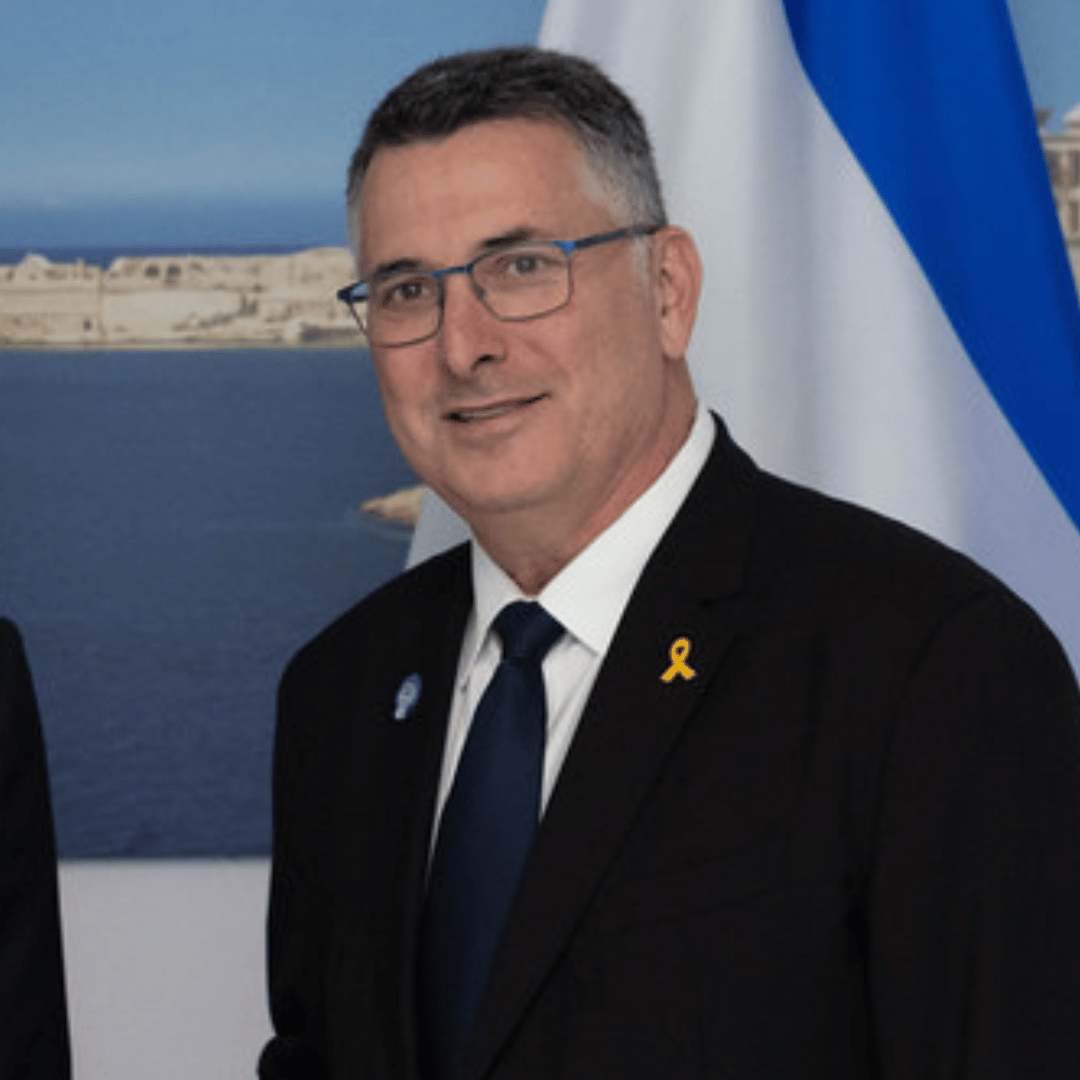
According to Reuters reporting published by The Jerusalem Post, Israeli Foreign Minister Gideon Sa’ar said Forum Secretary-General Baron Divavesi Waqa had informed him of the approval. Israel applied during Sa’ar’s visit to Fiji in June.
The announced areas of cooperation include:
- Managing water supplies.
- Removing salt from seawater so it can be used.
- Farming.
- Helping communities deal with the effects of climate change.
- Developing new ideas and technology.
- Supporting development that meets today’s needs while protecting resources for the future.
Sa’ar also said Israel and the Forum would prepare a joint action plan and set up a way to check its progress.
These are plans. We still need to see which projects go ahead and what they achieve.
Partnership and membership are different
The Forum’s Leaders Policy on Partnerships sets out different types of partnerships.
Strategic partners work with the Forum across a broad range of issues. Sectoral partners, such as Israel, contribute in specific areas.
Sectoral partners mainly join discussions linked to their work, including meetings with ministers and government officials. Pacific leaders can also agree to invite a limited number of these partners to contribute to discussions on issues important to them.
We need to be clear about this. It would be wrong to say Israel can never contribute to a discussion involving Pacific leaders.
But being invited to speak does not make Israel a member or give it the power to decide the outcome.
The policy protects the:
“primacy of Leaders’ priorities and the integrity of regional decision-making processes.”
In everyday language, Pacific leaders’ priorities must come first, and the region’s decision-making process must be protected.
Who chooses the Pacific’s direction?
Palau President Surangel Whipps Jr explained the principle clearly at the September summit. As reported by 1News, he said:
“Our partners are welcome to sail with us, but they do not choose our destination.”
He was speaking about outside partners generally. The same standard applies to Israel.
For those worried that this partnership gives Israel permission to meddle in Pacific affairs, we need to look at what the arrangement allows.
It opens a way for Israel and the Pacific to work together. It does not put Israel in charge of our priorities.
We should still ask questions
Countries build relationships to serve their interests. Israel does, just as other countries working with the Pacific do.
Partnership rules cannot guarantee that political pressure will never happen. Our leaders still have a responsibility to protect our interests.
That is why we should examine the agreements that follow.
What help is being offered? Are there conditions attached? Who benefits? Will local people learn useful skills? Can communities keep projects running after visiting experts leave?
These are fair questions.
The Forum’s policy includes reporting and reviews to check whether partners are meeting their responsibilities. If they fall short, leaders can consider changing their status, suspending them or ending the partnership.
The same standards should apply to every outside partner.
What should the Pacific be looking for?
We should judge this partnership by what it delivers for our people.
Will it help communities get reliable water supplies? Will farmers gain knowledge they can use? Will the technology suit our needs and be practical to maintain?
Our leaders must make sure the agreements serve our communities and respect our independence.
So, no—Israel becoming a partner does not make it a member of the Pacific Islands Forum. It does not give Israel authority over Pacific governments or the right to dictate our regional affairs.
Israel can share its knowledge and join relevant discussions within the Forum’s rules. That does not give it the power to decide for us.
The partnership creates an opportunity to work together. Pacific leaders remain responsible for Pacific priorities and decisions. They must answer to Pacific people.
Is Israel a valuable partner for the Pacific? That is a question worth exploring in our next article.